AI Se Online Store Kaise Banayein: A Practical India Guide
16 July 2026 · InstantStore AI team

If you are searching for “AI se online store kaise banayein”, you are probably looking for a faster and simpler way to start selling online. An AI-powered store builder can help you create a storefront, write product content, organise your catalogue, and prepare marketing material without hiring a developer.
This guide explains how to build an online store with AI, especially for Indian D2C sellers, small manufacturers, home businesses, and creators.
1. Decide What You Will Sell and Where You Will Sell
Before opening a store, define four basics:
- Product category: fashion, beauty, food, jewellery, home décor, electronics, or digital products
- Target customer: age group, location, budget, and buying preferences
- Selling region: India-wide, selected states, or international markets
- Business model: inventory-led, made-to-order, dropshipping, subscriptions, or pre-orders
AI can help you refine your positioning. For example, instead of selling “handmade candles,” you may position your business as “soy wax candles for Indian homes and gifting.” A specific positioning makes your product pages and advertisements more relevant.
2. Prepare the Information AI Needs
An AI tool produces better results when you provide accurate business details. Keep the following ready:
- Brand name and short description
- Logo, colour preferences, and brand style
- Product names, prices, sizes, colours, and stock levels
- Product photographs or image links
- Shipping locations and estimated delivery times
- Return, refund, and exchange rules
- Customer support phone number, WhatsApp number, and email
If you do not have polished descriptions, start with simple facts. For example: “Cotton kurta, available in sizes S to XXL, machine washable, dispatches in two working days.” AI can turn this into a clearer product description, but you should check every claim before publishing it.
3. Generate the First Store with AI
Choose an AI store builder that can create a storefront from a short business brief. Describe your products, audience, preferred design, and location. A useful AI builder should generate more than a homepage. It should help create:
- Homepage sections
- Product and collection pages
- Navigation menus
- About and contact pages
- Frequently asked questions
- Mobile-friendly layouts
- Basic SEO titles and descriptions
Review the generated store instead of accepting it blindly. Remove generic sections, replace placeholder images, and make sure your products appear above the fold on mobile screens. Most Indian shoppers browse on phones, often through WhatsApp or Instagram links.
4. Add Indian Payments and Delivery Options
A store is not ready until customers can pay and receive orders conveniently. Depending on your business and payment provider, consider UPI, cards, net banking, wallets, and cash on delivery.
For India, verify these details carefully:
- Whether UPI payments work smoothly on mobile
- COD availability by pincode
- Shipping rates for different regions
- Remote-area or northeast delivery charges
- Expected delivery time before checkout
- Order tracking notifications
- Rules for partial or failed payments
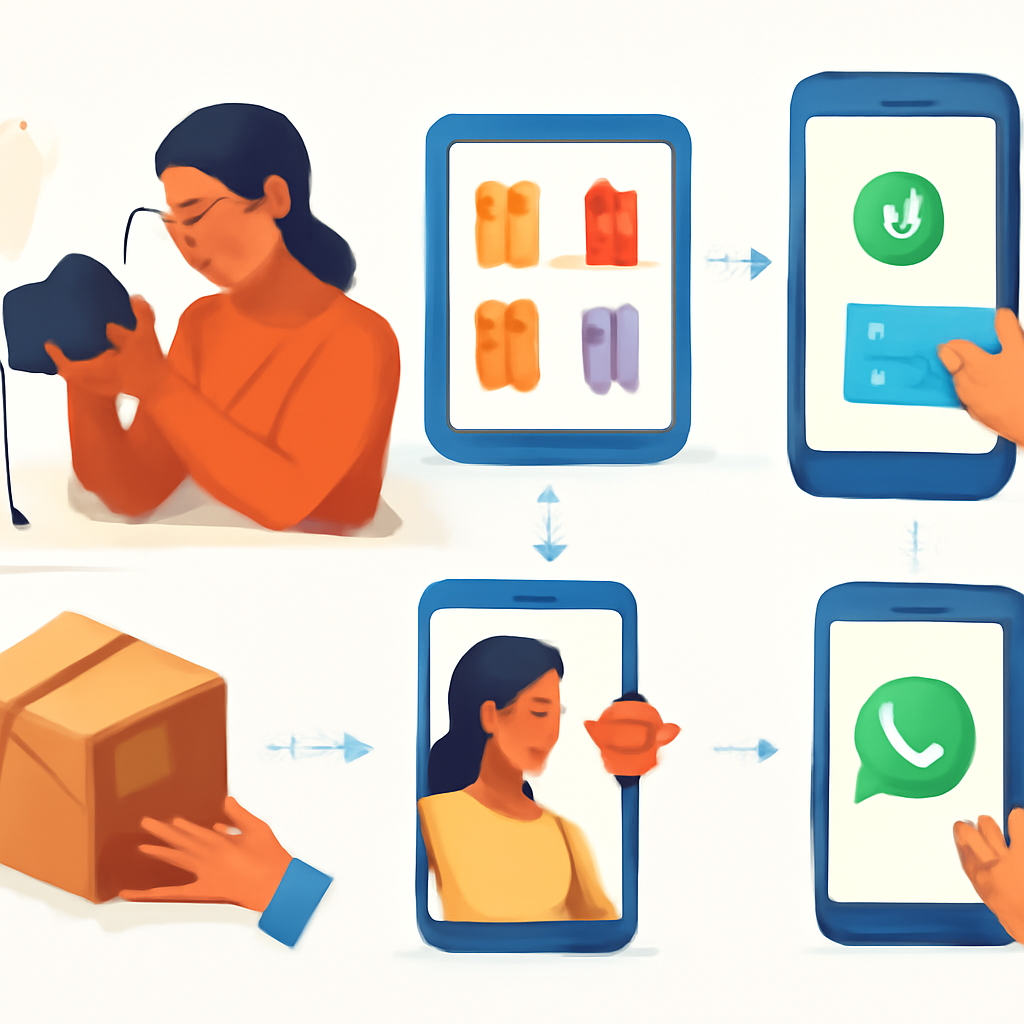
Do not promise “free shipping everywhere” unless your margins support it. You can offer free delivery above a minimum order value, such as ₹999, and show the exact shipping fee for smaller orders.
5. Build Trust Before Driving Traffic
New customers need reasons to trust an unfamiliar store. Add a clear contact page, business email, WhatsApp support, delivery timeline, refund policy, and secure payment information. Display real product photos and avoid using AI-generated images that misrepresent the product.
For Indian buyers, useful trust signals include customer reviews, COD information, GST details where applicable, and a visible return process. If you sell food, cosmetics, or other regulated products, include relevant ingredient, licence, usage, and safety information. Always follow the laws and platform requirements applicable to your category.
6. Optimise Product Pages for Search and Sales
Each product page should answer the questions a buyer would normally ask. Include:
- A descriptive product title
- Benefits and key features
- Material, ingredients, dimensions, or compatibility
- Size chart where relevant
- Delivery estimate
- Return eligibility
- Care or usage instructions
- Clear photographs from multiple angles
Use the language your customers search for. You can write pages in English and add Hindi or regional-language explanations where useful. Do not stuff keywords unnaturally. A product title such as “Handwoven Cotton Saree for Summer Wear” is more helpful than repeating “best cotton saree” several times.
7. Test the Store Like a Customer
Before launch, place a test order from a phone. Check whether the store loads quickly, product variants work, coupons apply correctly, and payment confirmation is received. Test both prepaid and COD flows if you offer both.
Also inspect the store on different screen sizes. Check every link, spelling, price, image, and policy page. Ask someone unfamiliar with your business to find a product and complete checkout. Their confusion will reveal problems you may have missed.
8. Promote and Improve Continuously
AI can help create Instagram captions, WhatsApp broadcast messages, email campaigns, ad variations, and blog ideas. Start with one or two channels instead of trying everything at once. For many Indian D2C brands, Instagram, WhatsApp, Google Search, and repeat-customer messaging are practical starting points.
Track visits, product views, add-to-cart rate, checkout completion, average order value, and repeat purchases. If many visitors view a product but do not add it to cart, improve the price explanation, photographs, reviews, or delivery information.
Tools such as InstantStore AI can be useful when you want to generate and customise an online store quickly, while still allowing you to review products, policies, payments, and brand details yourself. The goal is not to let AI run your business without supervision; it is to reduce repetitive work so you can focus on product quality and customers.
Final Checklist
To answer “AI se online store kaise banayein” in practical terms: define your offer, provide accurate business information, generate the store, connect Indian payments and shipping, add trust-building details, test checkout, and improve using customer data. AI can help you launch faster, but a successful store still depends on honest product information, reliable fulfilment, responsive support, and consistent marketing.